
Sri Lanka
Wildlife Tourism in Sri Lanka: A Traveler's Introduction to the Parks
A traveler's introduction to wildlife tourism in Sri Lanka: the main national parks, animals to see, best seasons and responsible safari tips.
Royal Arabian Editorial
5 November 2026 · 3 min read
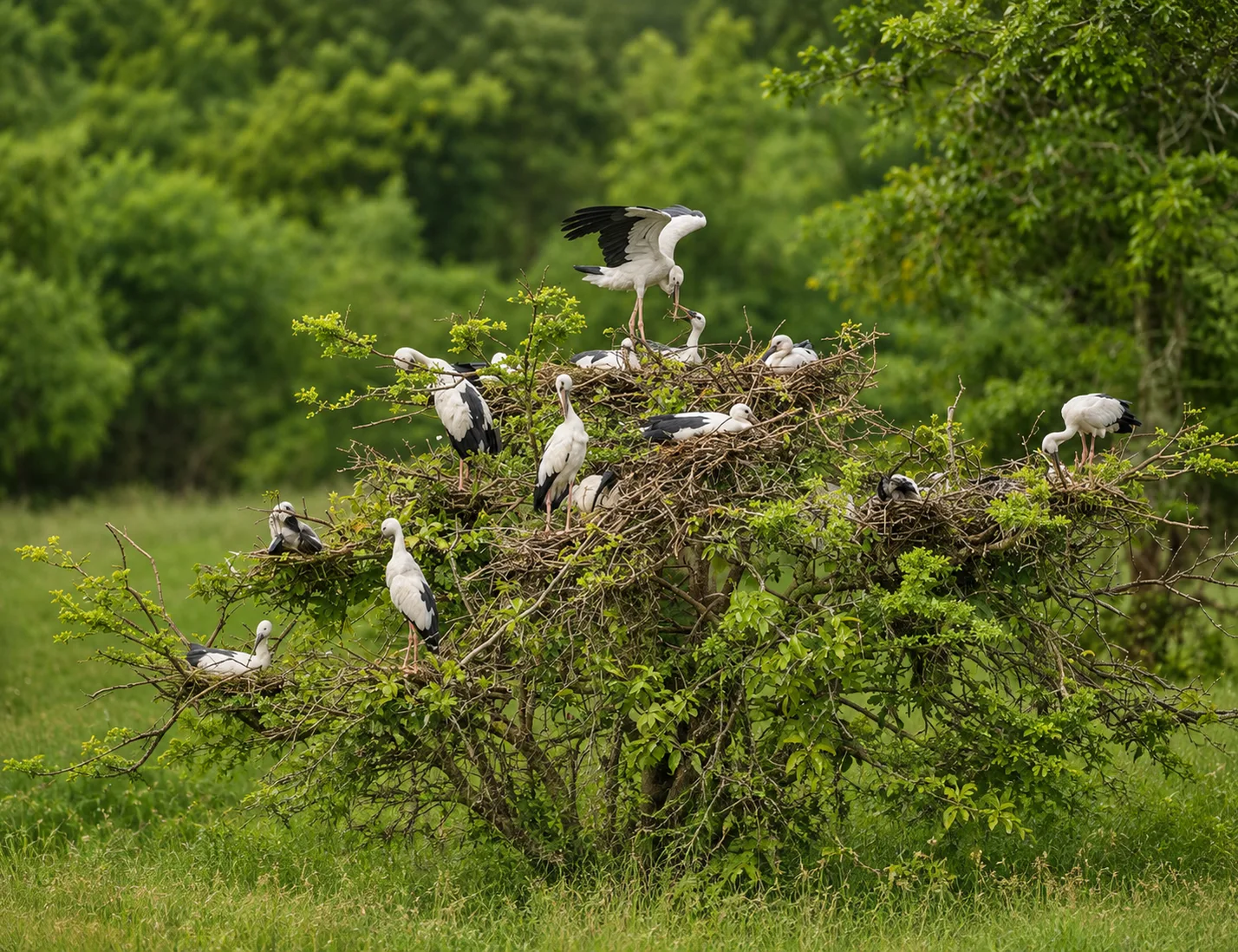
Wildlife tourism in Sri Lanka is one of the island's strongest draws. A compact country offers elephants, leopards, sloth bears, reptiles, hundreds of bird species and whales, often within a few hours of each other. If this is your first wildlife trip, this guide explains how the parks work, what you can see and how to travel responsibly. For a deeper look at the top parks, see our Sri Lanka wildlife safaris guide.
How Wildlife Tourism Works in Sri Lanka
Most wildlife viewing happens on jeep safaris inside national parks. You travel with a driver and usually a tracker or guide, on set tracks, in the early morning or late afternoon when animals are most active. Entry tickets, vehicle fees and guide charges apply, and these are normally arranged through your hotel or tour operator.
The Main Parks at a Glance
Swipe horizontally to view the full comparison
| Park | Region | Known for |
|---|---|---|
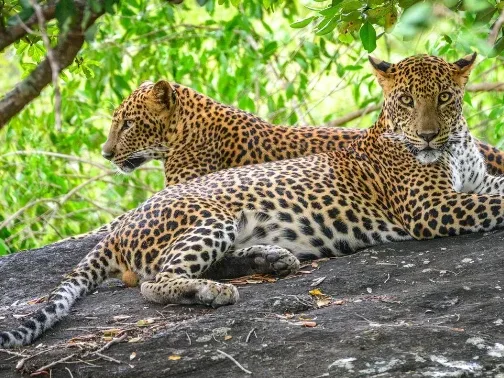
| Yala | Southeast | Leopards, elephants, birds |
| Udawalawe | South | Elephants |
| Minneriya and Kaudulla | North-central | Seasonal elephant gatherings |
| Wilpattu | Northwest | Leopards, natural lakes, quiet forest |
| Horton Plains | Hill country | Cool grasslands, World's End viewpoint |
| Sinharaja | Southwest | Rainforest and endemic birds |
| Kumana and Bundala | Southeast and east | Waterbirds |
Animals You Can See
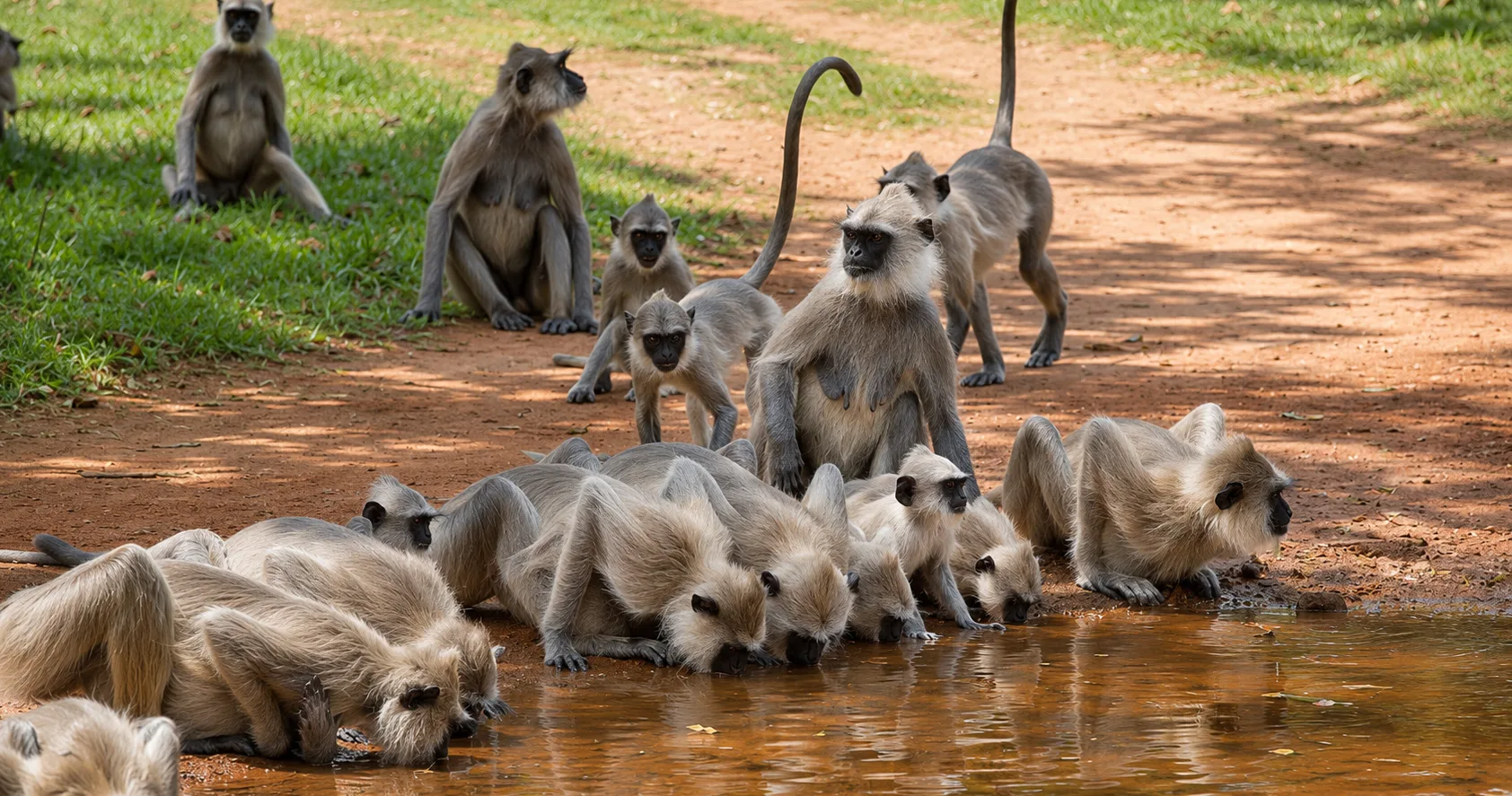
- Mammals: Elephants, leopards, sloth bears, water buffalo, deer, monkeys and langurs
- Reptiles: Crocodiles, monitor lizards and pythons
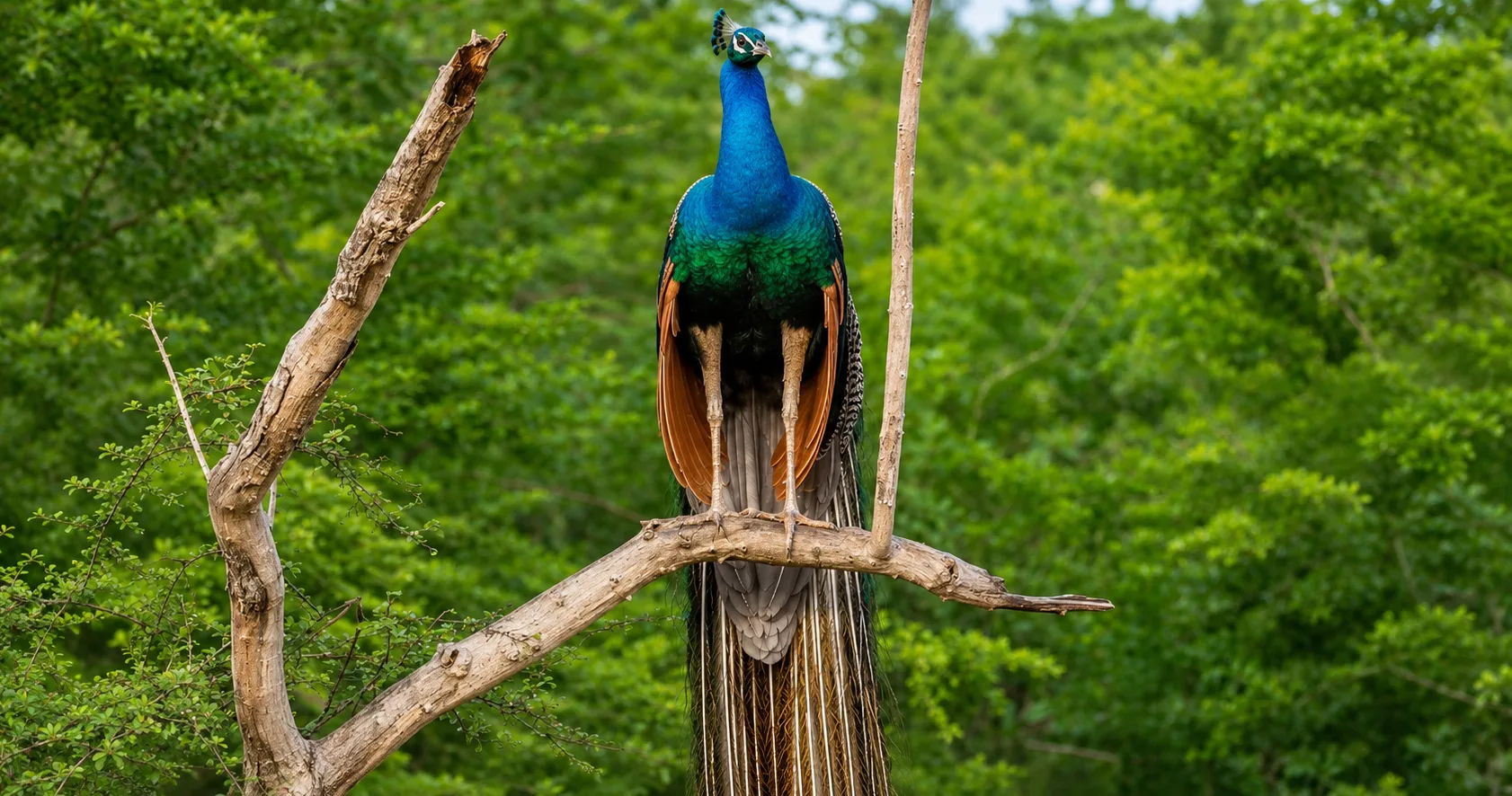
- Birds: Peacocks, eagles, kingfishers, storks and many endemic species
- Marine life: Whales and dolphins on seasonal boat trips from the south and east coasts
Best Time for Wildlife Tourism
Most parks are best in their drier months, when animals gather at waterholes and tracks are easier to drive. Because the island has different weather in different regions, the ideal time depends on which parks you choose. Always check closure dates and weather before you book.
Planning Your First Safari
- Choose one or two parks instead of trying to see everything.
- Book early for peak months.
- Take a morning drive at least once.
- Allow buffer days in case of weather or closures.
- Combine with culture or the coast. See our Sri Lanka wildlife holidays itineraries for ideas.
Responsible Wildlife Tourism
Protecting animals and habitats keeps wildlife tourism sustainable. Please:
- Keep a safe, quiet distance and never feed animals
- Stay in the vehicle and follow your guide's instructions
- Choose operators who follow park rules and avoid crowding sightings
- Be cautious with captive animal attractions, and choose rehabilitation and conservation projects that put animal welfare first
- Take rubbish with you and use reusable water bottles
What to Pack
- Neutral clothing, a hat and sunscreen
- A light jacket for dawn drives
- Binoculars and a camera with a zoom lens
- Insect repellent and a refillable bottle
Packages and Next Steps
If you would like a ready-made trip, compare Sri Lanka safari tour packages or explore Royal Arabian's Sri Lanka tour packages. You can also add culture and scenery with our Sri Lanka hill country travel guide.
Plan your Sri Lanka wildlife trip with Royal Arabian.
Related stories
Continue Your Journey
Guide
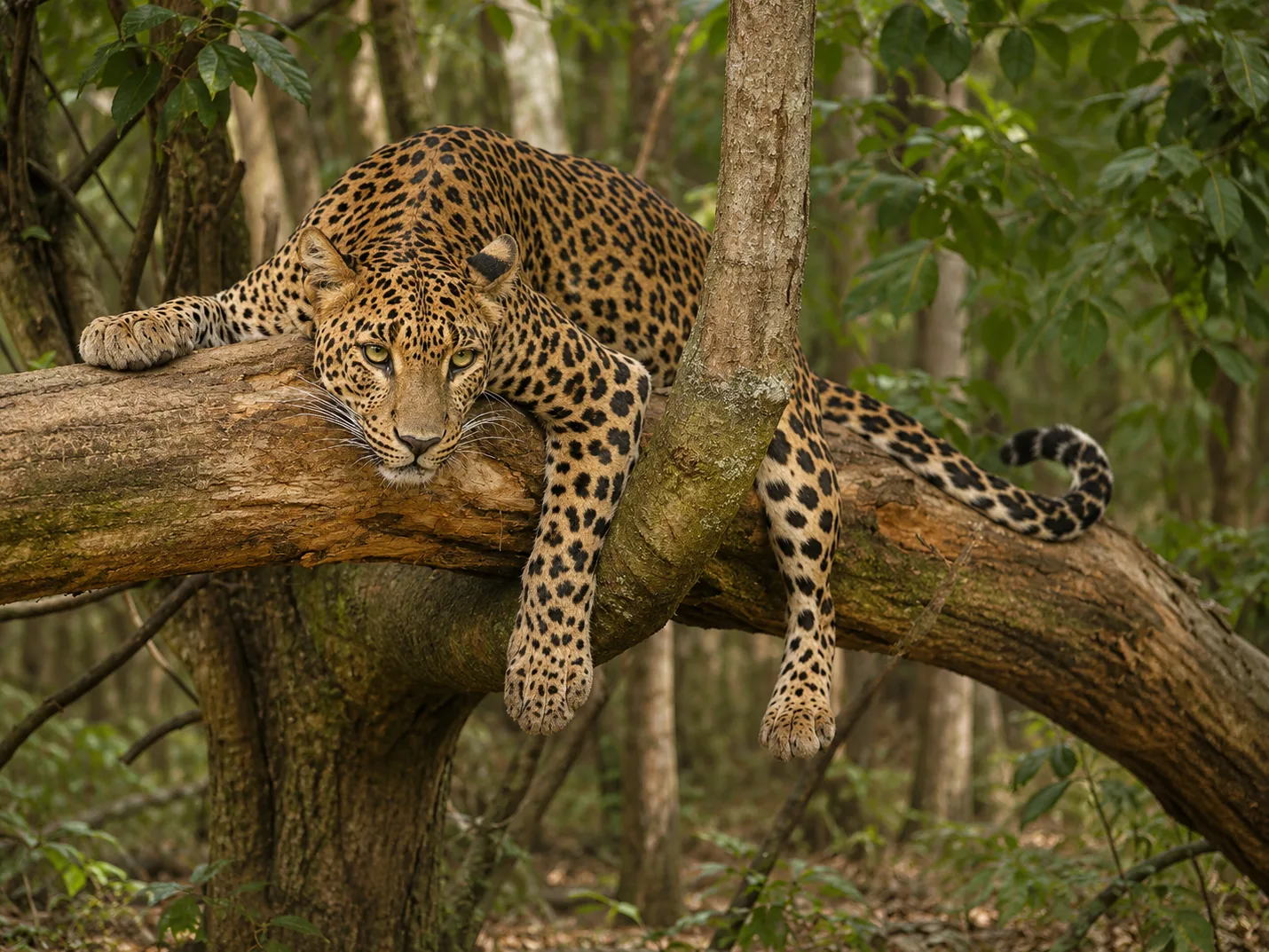
Sri Lanka Wildlife Safaris: Yala, Udawalawe & National Parks Guide
Sri Lanka
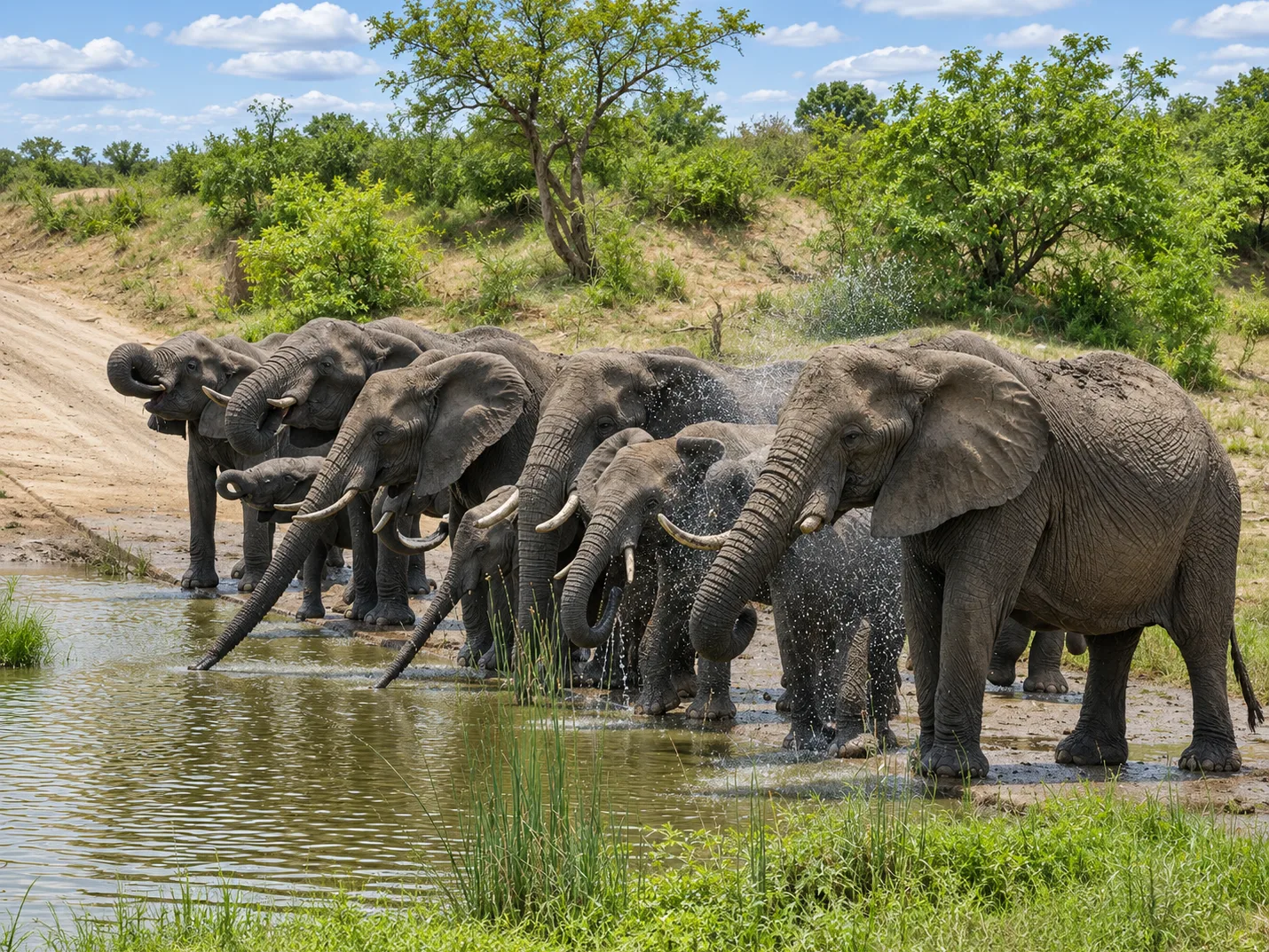
Yala Safari Sri Lanka: Tickets, Best Time & Leopard Sightings
Sri Lanka
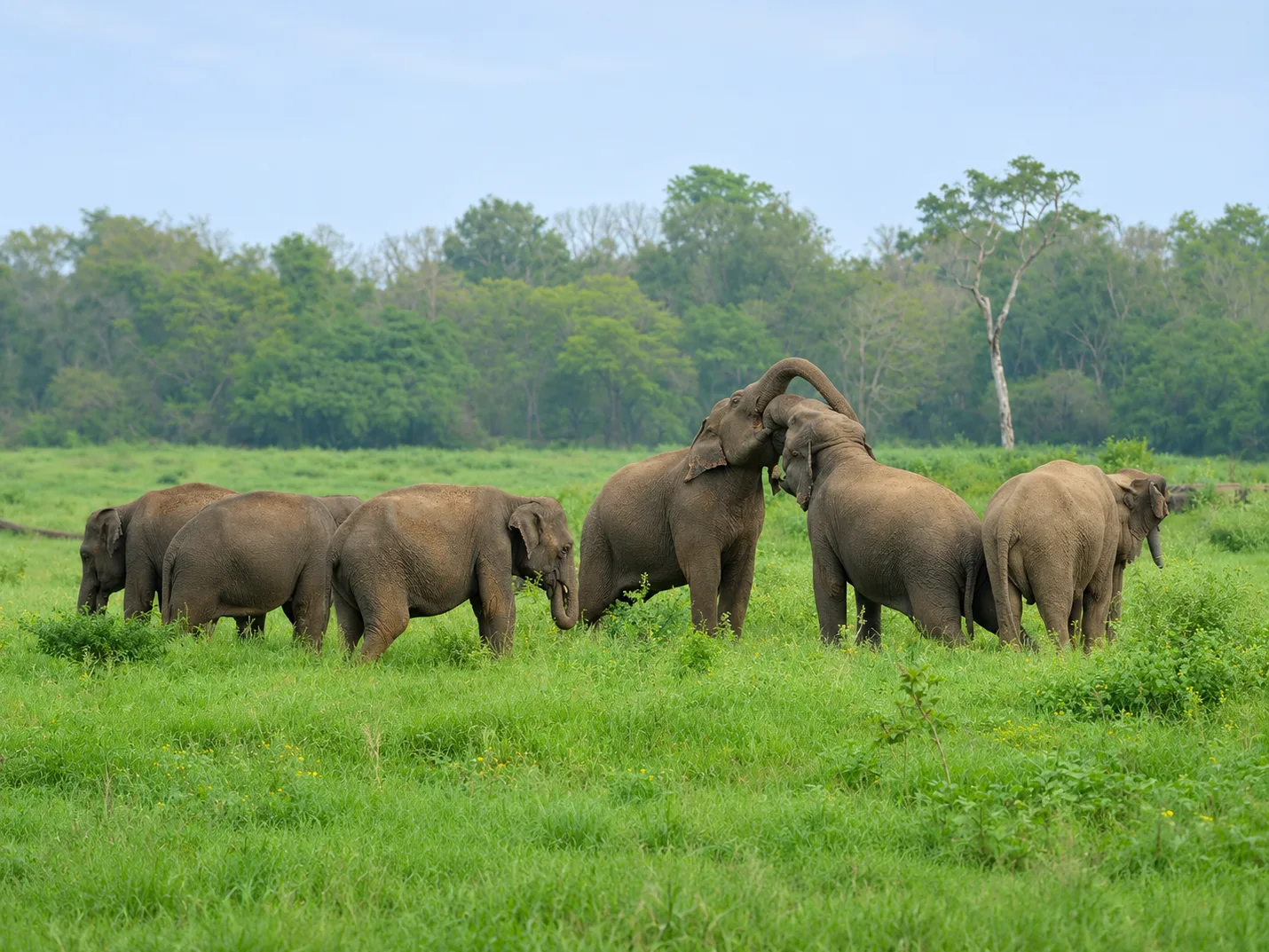
Udawalawe National Park: Elephants, Entry Fees & Safari Tips
Sri Lanka
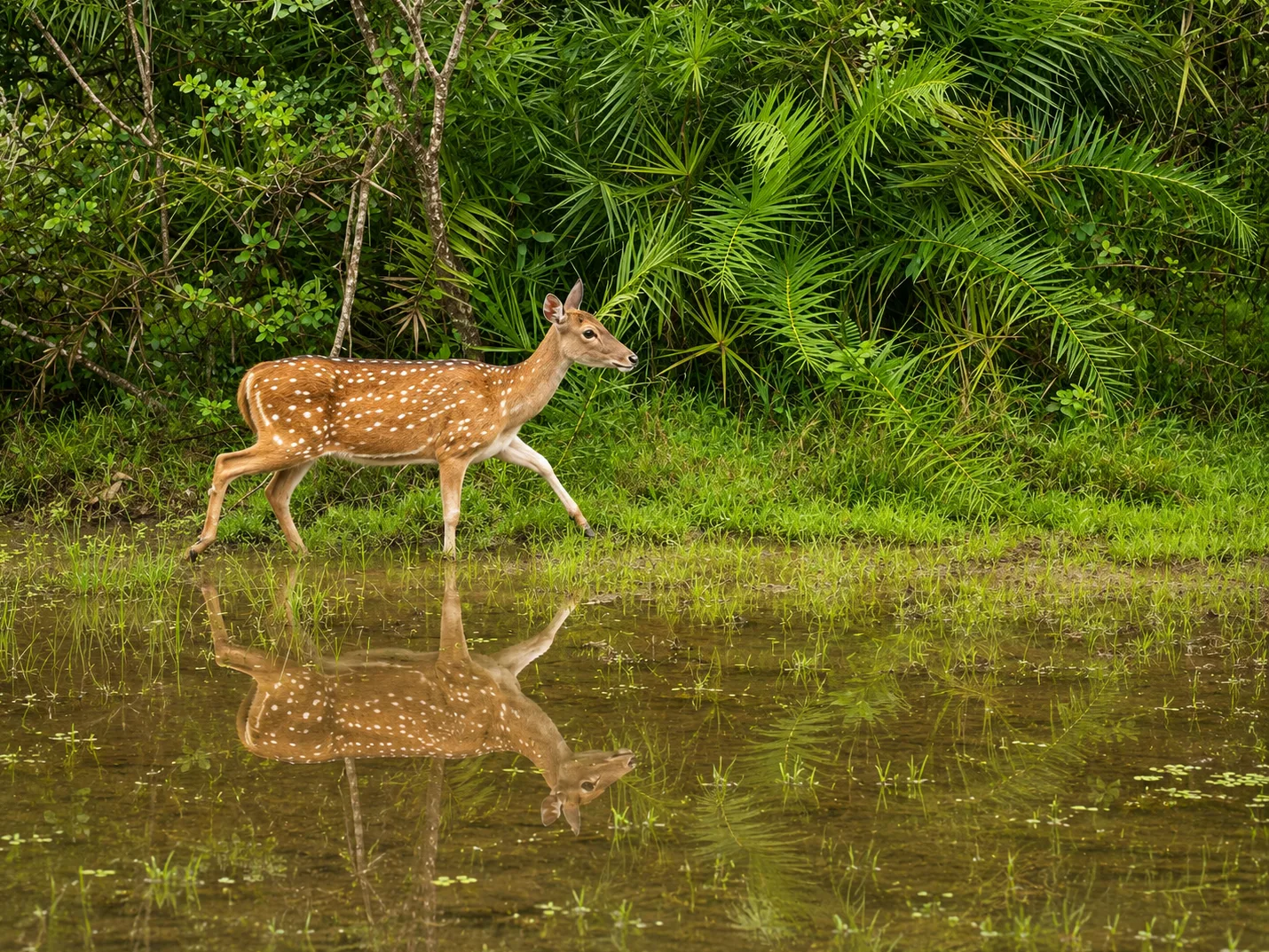
Sri Lanka Wildlife Holidays: Best Multi-Park Itineraries
Sri Lanka
Sri Lanka Safari Tour Packages: What's Included & What to Budget