
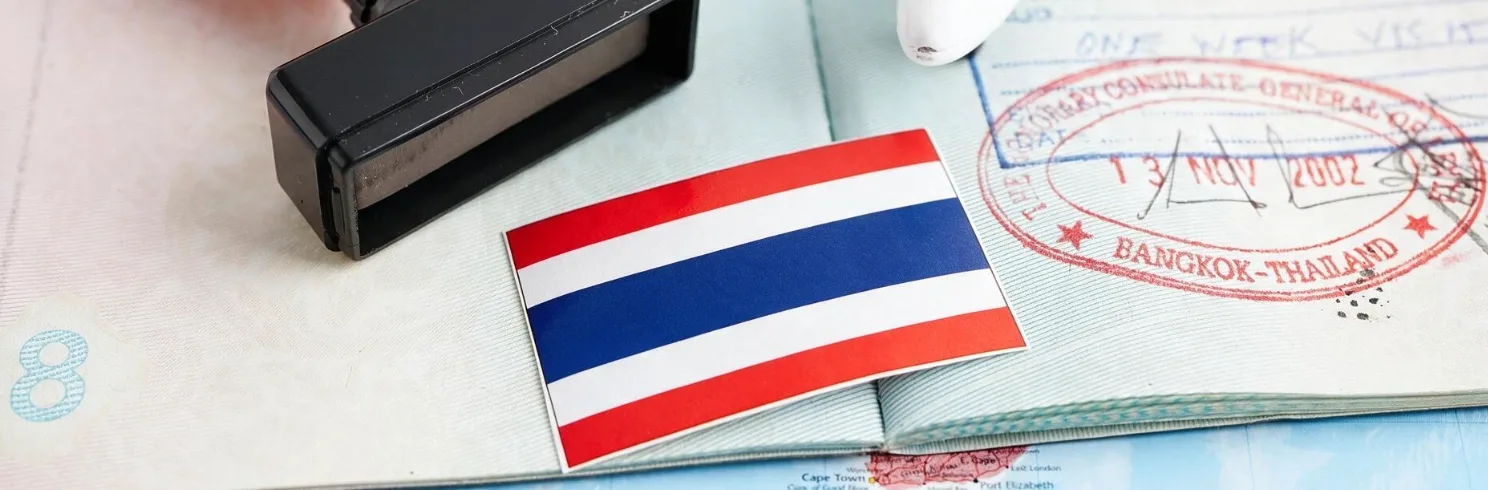
Thailand Visa Guide: Requirements, Types & How to Apply
Figuring out Thailand's visa requirements is often the first practical step in planning your trip and one of the most commonly searched. Requirements vary based on your nationality, length of stay, and purpose of travel. This guide walks through the main visa types so you can figure out which applies to you.
This guide is part of our complete Thailand travel guide. Start there for a full trip-planning overview.
Note: Visa policies change periodically. Always confirm current requirements with the official Thai embassy or consulate for your country before booking.
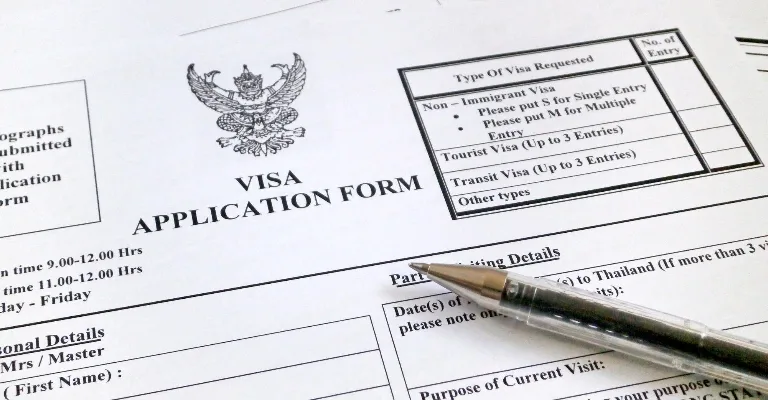
Do You Need a Visa for Thailand?
It depends on your passport and how long you plan to stay. Broadly, travelers fall into one of three categories:
1. Visa-exempt travelers Many nationalities can enter Thailand without a visa for short tourist stays, provided they meet requirements like proof of onward travel and sufficient funds.
2. Visa-on-arrival travelers Some nationalities not covered by visa exemption can obtain a visa on arrival at designated entry points, typically valid for short stays and requiring a passport photo, processing fee, and proof of accommodation.
3. Visa-required travelers Longer stays, non-tourist purposes (work, study, retirement), or certain nationalities require applying for a visa in advance through a Thai embassy or consulate, or via Thailand's e-visa system.
Types of Thailand Visas
Tourist Visa (TR): For travelers planning to stay longer than the visa-exemption period, typically applied for in advance and allowing for a longer single stay, sometimes with an extension option once in the country.
e-Visa: Thailand has increasingly moved visa applications online for eligible nationalities, allowing travelers to apply and receive approval digitally before departure rather than visiting an embassy in person.
Visa on Arrival (VOA): Available to eligible nationalities at major airports and land borders, intended for short tourist stays and requiring specific documentation at the point of entry.
Non-Immigrant Visas: For those staying longer term, including work (Business "B" visa), study (Education "ED" visa), retirement ("O-A" visa), or marriage to a Thai national, each with its own documentation and eligibility requirements.
Documents You'll Typically Need
- Passport valid for at least six months beyond your entry date
- Passport-sized photos
- Proof of onward or return travel
- Proof of sufficient funds
- Proof of accommodation for your stay
- Visa application fee (varies by visa type and nationality)
How to Apply
- Confirm which visa category applies to your nationality and trip length
- If applying in advance, submit your application through the relevant Thai embassy, consulate, or the official e-visa portal
- Pay the applicable fee and provide required documentation
- Wait for processing (times vary. Apply well ahead of your travel dates)
- If visa-exempt or eligible for visa-on-arrival, prepare the required documents to present at immigration when you land
Planning Around Your Visa Length
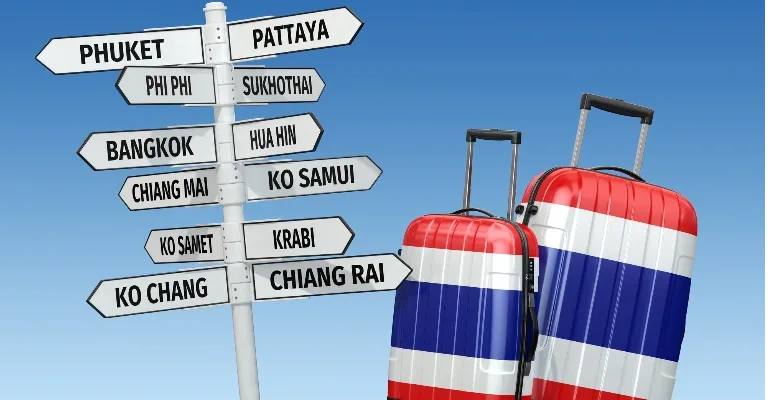
Your visa type affects how much of Thailand you can realistically see. If you're only eligible for a short exemption or VOA stay, you may want to focus on fewer regions rather than spreading yourself thin.
For help deciding where to prioritize, see: Bangkok vs Phuket vs Chiang Mai vs Koh Samui: Choosing Your Thailand Base
Frequently Asked Questions
It's generally recommended to apply at least four to six weeks before your travel dates, particularly for embassy-processed visas, to allow for processing time and any documentation follow-ups.
Certain visa types allow for an extension of stay, which can typically be arranged at an immigration office within Thailand before your current permit expires.
Availability depends on your nationality. Check the official Thai e-visa portal or your nearest embassy to confirm eligibility.
RELATED GUIDES
Continue Your Journey

GUIDE
The Ultimate Thailand Travel Guide: Everything You Need to Plan Your Trip

ARTICLE
Best Time to Visit Thailand: Month-by-Month Weather & Festival Guide

ARTICLE
Bangkok vs Phuket vs Chiang Mai vs Koh Samui: Choosing Your Thailand Base

ARTICLE
Thailand Travel Budget: Daily Costs, Accommodation & Money-Saving Tips

ARTICLE
Getting Around Thailand: Trains, Flights, Ferries & Local Transport Explained
Share this post

Thailand Travel Insights for B2B PartnersThailand Travel Insights for B2B Partners
Explore Thailand travel insights, destination guides, and trends for exceptional client travel experiences.Explore Thailand travel insights, destination guides, and trends to create exceptional client experiences.