

Best Time to Visit Thailand: Month-by-Month Weather & Festival Guide
Thailand has three main seasons - cool, hot, and rainy - but the picture changes depending on whether you're in the north, central plains, or southern islands. Knowing when to go (and where) is one of the most important parts of planning your trip. This guide breaks it down month by month so you can time your visit around great weather, lower prices, or a specific festival.
This guide is part of our complete Thailand travel guide. Start there for the full trip-planning overview.
Thailand's Three Seasons at a Glance
Cool season (November-February): The most popular time to visit. Lower humidity, minimal rain, and pleasant temperatures across most of the country. This is Thailand's peak season, so expect higher prices and bigger crowds, particularly around the New Year period.
Hot season (March-May): Temperatures climb, especially in central and northern Thailand, where April can be intensely hot. This is also when Songkran takes place. Songkran is Thailand's water festival and is a major draw despite the heat.
Rainy/monsoon season (June-October): Expect afternoon downpours, particularly in the south and west coast islands. Rain tends to come in short, heavy bursts rather than all-day washouts, and this is also when prices drop and crowds thin out considerably.
Regional Differences to Know
Thailand's weather isn't uniform. The Gulf of Thailand islands (Koh Samui, Koh Phangan) actually see their rainiest months later in the year (around October and November), while the Andaman coast (Phuket, Krabi) follows the more typical May-October monsoon pattern. If your trip includes islands, it's worth checking region-specific patterns rather than relying on the national average.
For help deciding which regions to combine into your itinerary, see our guide: Bangkok vs Phuket vs Chiang Mai vs Koh Samui: Choosing Your Thailand Base
Month-by-Month Breakdown
- January: Cool, dry, and one of the most popular months to visit. Book accommodation early
- February: Still dry and comfortable; a great shoulder option before peak crowds return next winter
- March: Heat starts building; islands remain a good option
- April: Hottest month, but also Songkran - Thailand's famous water festival, celebrated nationwide
- May: Rainy season begins in the south; northern Thailand still relatively dry
- June-August: Regular afternoon rain showers, especially on the Andaman coast; lush green landscapes
- September: One of the wettest months nationally; fewer tourists, lower prices
- October: Rain tapers off in most regions except the Gulf islands
- November: Cool season begins; a great transitional month with good weather and fewer crowds than December-January
- December: Peak season, dry and cool, but the busiest and most expensive month to visit
Key Festivals to Plan Around
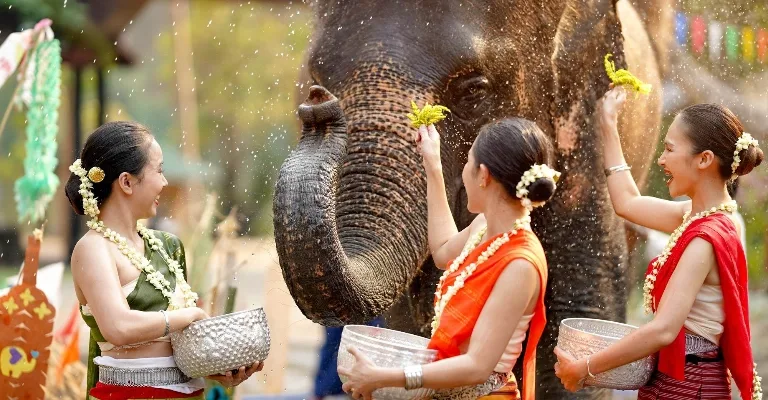
Songkran (April 13-15): Thailand's New Year and water festival. Expect city-wide water fights, especially in Chiang Mai and Bangkok.
Loy Krathong (November, date varies with the lunar calendar): A festival of light where floating lanterns and krathongs are released on rivers and lakes across the country.
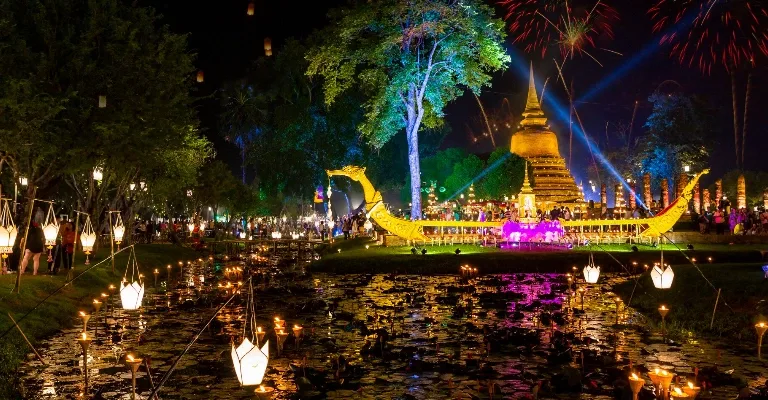
Yi Peng Lantern Festival (November, coincides with Loy Krathong): Celebrated mainly in Chiang Mai and northern Thailand, Yi Peng is famous for the release of thousands of glowing khom loi (sky lanterns) into the night sky. It takes place alongside Loy Krathong but is a distinct Lanna tradition in its own right, and it's become one of Thailand's most iconic festivals for photographers and travelers alike. Some of the larger organized lantern releases require advance ticket bookings, so plan ahead if this is a highlight of your trip.

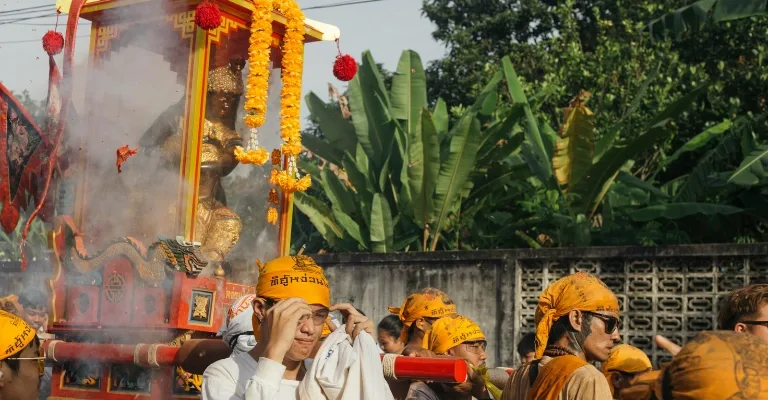
Vegetarian Festival (September/October, mainly in Phuket): Nine days of processions, street food stalls, and cultural rituals.
How This Affects Your Budget
Traveling in the rainy season can significantly reduce accommodation and flight costs. If budget is your main priority, see our full breakdown in Thailand Travel Budget: Daily Costs, Accommodation & Money-Saving Tips.
Frequently Asked Questions
November and February are often considered the sweet spot - dry, cool weather without the peak-season crowds and prices of December-January.
No. Rain typically falls in short, heavy bursts, often in the afternoon, leaving mornings and evenings clear in many areas.
Yes, if you don't mind the heat. Songkran is one of Thailand's most memorable cultural experiences, especially in Chiang Mai.
RELATED GUIDES
Continue Your Journey
GUIDE
The Ultimate Thailand Travel Guide: Everything You Need to Plan Your Trip
ARTICLE
Thailand Visa Guide: Requirements, Types & How to Apply

ARTICLE
Bangkok vs Phuket vs Chiang Mai vs Koh Samui: Choosing Your Thailand Base

ARTICLE
Thailand Travel Budget: Daily Costs, Accommodation & Money-Saving Tips

ARTICLE
Getting Around Thailand: Trains, Flights, Ferries & Local Transport Explained
Share this post

Thailand Travel Insights for B2B PartnersThailand Travel Insights for B2B Partners
Explore Thailand travel insights, destination guides, and trends for exceptional client travel experiences.Explore Thailand travel insights, destination guides, and trends to create exceptional client experiences.