
Best Time to Visit Masai Mara for the Great Migration
Timing is the single most important decision in planning a Masai Mara safari. The best time to visit Masai Mara depends on what you want to see - the dramatic river crossings of the Great Migration, easier dry-season game viewing, or a quieter, lower-cost trip. This guide walks through the Mara's seasons month by month so you can match your dates to your priorities.
For an overview of package types and costs across all seasons, see our main guide: Masai Mara Safari Packages: The Complete 2026 Guide.
Quick Answer
- Best overall for the Great Migration river crossings: Late July to early October
- Best for dry-season game viewing without migration crowds: January to March
- Best value / lowest prices: April to May (long rains) or November (short rains)
Masai Mara Seasons, Month by Month
January - March: Dry Season, General Game Viewing
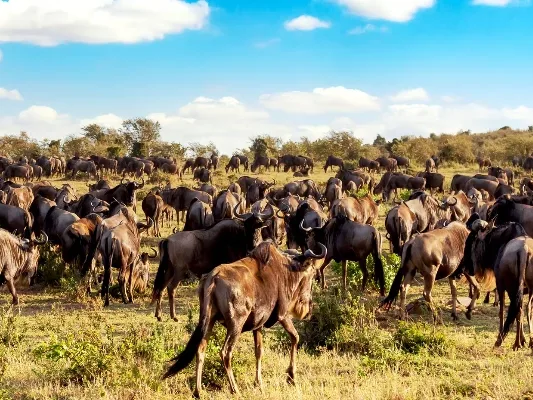
Warm, dry weather with sparse vegetation makes wildlife easier to spot. The Great Migration herds are typically in the southern Serengeti during this period (calving season), so this is not migration season in the Mara but resident predators, elephants, and giraffes are abundant year-round. Good value, comfortable weather, moderate crowds.
April - May: Long Rains, Low Season
The wettest months, with afternoon downpours and some roads becoming difficult to navigate. This is the cheapest time to visit. Many camps offer their lowest rates of the year and the landscape turns lush and green. Wildlife viewing is still good, though harder in dense vegetation. Best for budget-conscious travelers comfortable with unpredictable weather.
June: Transition Month
Rains taper off, grass is still green, and the front edge of the migration begins moving north from the Serengeti toward the Mara. A good month for travelers who want lower crowds before peak season begins.
July - September: Peak Migration Season
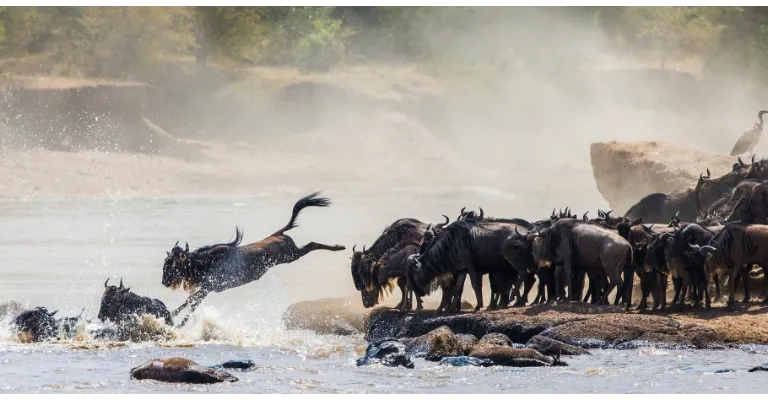
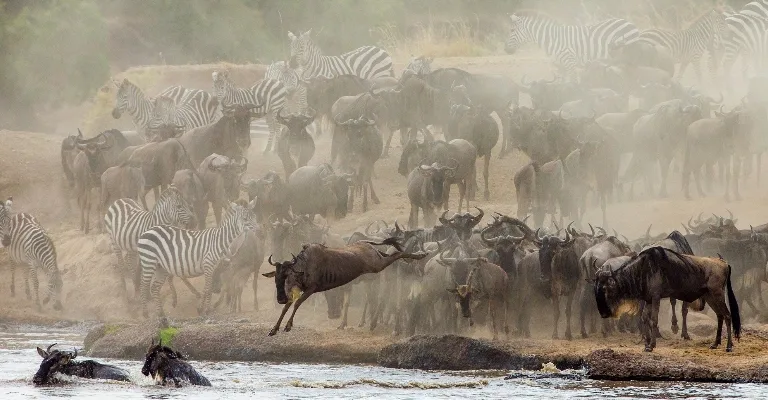
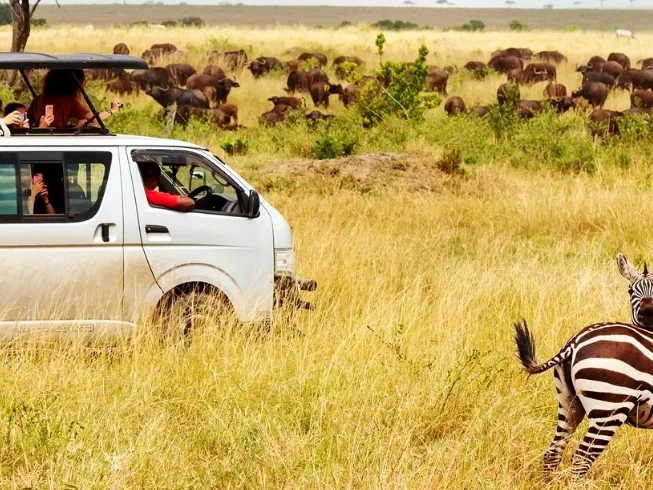
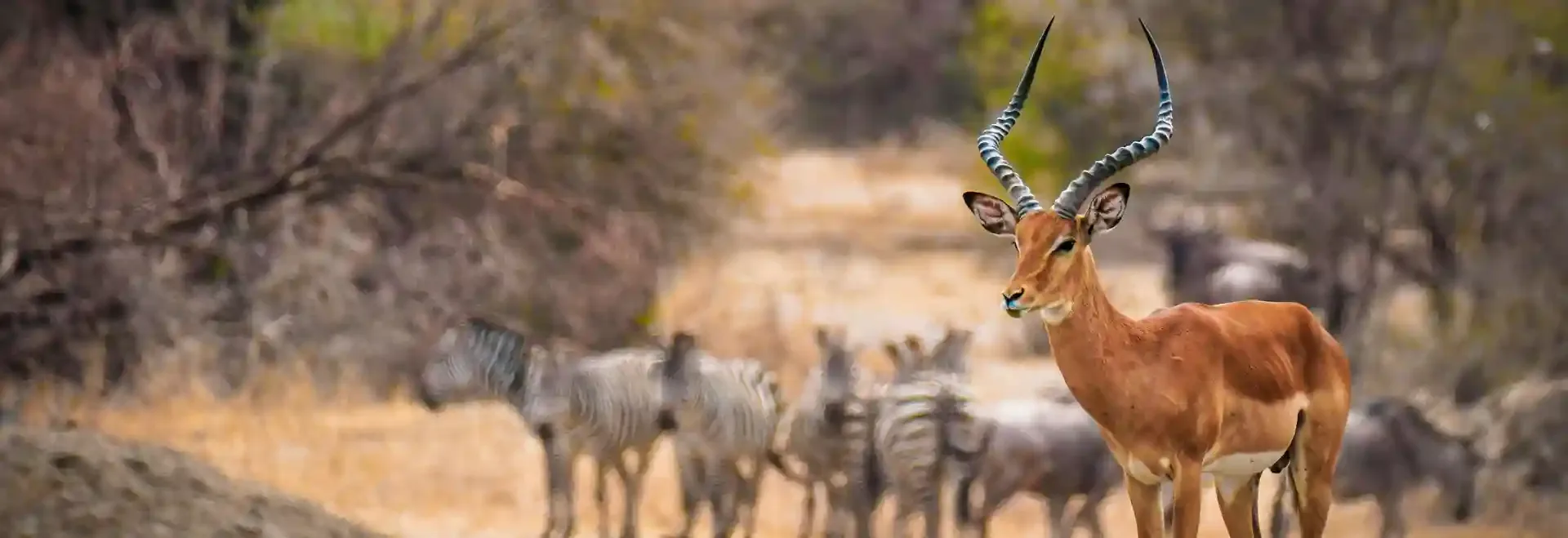
This is what most people picture when they think of a Masai Mara safari: over a million wildebeest and hundreds of thousands of zebra crossing the Mara River, often with dramatic predator action from crocodiles and big cats. Camps near the river fill up months in advance, and prices peak. If witnessing a river crossing is your primary goal, this is the window to target - ideally August through mid-September for the highest crossing frequency.
October: Late Migration, Fewer Crowds
The herds are typically still in the Mara ecosystem into early-mid October before moving back south, offering a chance to catch late crossings with somewhat thinner crowds and slightly lower prices than the July-September peak.
November: Short Rains
Brief afternoon showers, green scenery returning, and a noticeable drop in visitor numbers and prices. The migration has generally moved back toward the Serengeti by this point, but resident wildlife remains excellent.
December: Short Dry Spell, Holiday Season
Dry, pleasant weather returns for the holidays, making this a popular (and pricier) month despite being outside migration season as it is driven largely by Christmas and New Year travel demand.
Great Migration Timing Table
Swipe horizontally to view the full comparison
| Month | Migration Location | Crowd Level | Price Level |
|---|---|---|---|
| Jan-Mar | Southern Serengeti (calving) | Moderate | Moderate |
| Apr-May | Central Serengeti, moving | Low | Lowest |
| Jun | Western Serengeti, heading north | Low-Moderate | Moderate |
| Jul-Sep | Masai Mara (river crossings) | Highest | Highest |
| Oct | Masai Mara, moving south | High | High |
| Nov | Southern Serengeti, moving | Low | Low |
| Dec | Southern Serengeti | Moderate | High (holidays) |
How Timing Affects Your Package and Budget
Booking during peak migration season (July-September) generally means:
- Higher nightly rates across all camp tiers
- Camps booking out 6-9 months in advance, especially those directly on the Mara River
- Higher park and conservancy fees at some properties during peak periods
If cost is a major factor, our detailed price guide shows how much a season shift can save: Masai Mara Trip Cost from India: 2026 Price Breakdown.
Choosing Dates: A Few Practical Tips
- Booking for a river crossing? Stay at least 4 nights near the Mara River, since crossings aren't guaranteed on any single day, herds can take days to commit to crossing.
- Traveling with a fixed holiday window? Check where the migration is likely to be during your exact dates, since it shifts year to year based on rainfall.
- First-time safari-goer? The Masai Mara delivers excellent game viewing outside migration season too - so don't feel locked into July-October if it doesn't suit your budget or schedule.
Frequently Asked Questions
August and early September typically see the highest frequency of crossings, though exact timing shifts each year based on rainfall patterns in Kenya and Tanzania.
Yes. The Mara has one of Africa's highest densities of resident wildlife year-round, including the Big Five, and outside migration season you'll pay less and see fewer other vehicles.
6-9 months ahead is recommended for camps near the Mara River during July-September, as availability is limited and prices rise closer to the dates.
RELATED GUIDES
Continue Your Journey
Share this post
Turn Insights into Unforgettable Kenya JourneysTurn Insights into Unforgettable Kenya Journeys
Ready to transform inspiration into action? Partner with Royal Arabian to create seamless Kenya travel experiences, safari programs, and customized itineraries.Ready to transform inspiration into action? Partner with Royal Arabian to create seamless Kenya travel experiences, safari programs, and customized itineraries.